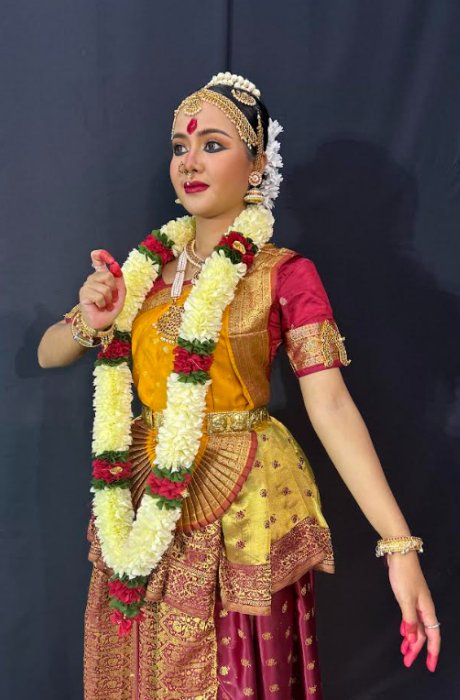
VILASINI NATYAM PREMIERE
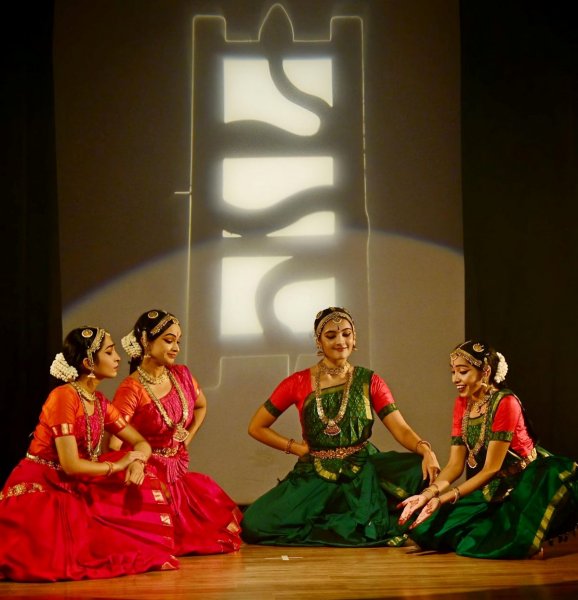
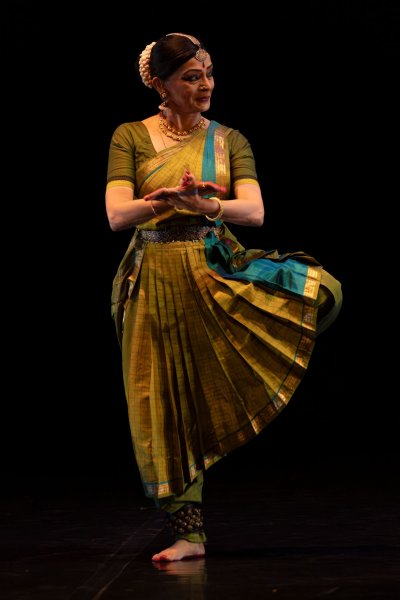
It all started at the Stein auditorium of the Habitat with a stunning solo premiere in Vilasini Natyam by veteran dancer Swapnasundari, followed by a group presentation of her creation of temple dance in the Agamic style.
PARABOLA OF DANCE
Aditi Mangaldas' generous initiative in starting what she has named Parabola of Dance, featuring creative efforts by dancers pertaining to different dance traditions, with the performance part succeeded by discussions on the constantly evolving process behind these creative enterprises, has been attracting larger sections of dance lovers.
SWAN LAKE IN ODISSI
Sharmila Mukerjee (student of Guru Kelucharan Mohapatra) and her group of students from Sanjali Ensemble of which she is the Artistic Director, presented her creation of Hansika, based on the famous Swan Lake Ballet of Pyotr Ilyich Tchaikovsky; the work in the Odissi format premiered back in 2018.
LOKCHANDA CULTURAL UNIT PRESENTS EVENING OF NRITYA KATHA
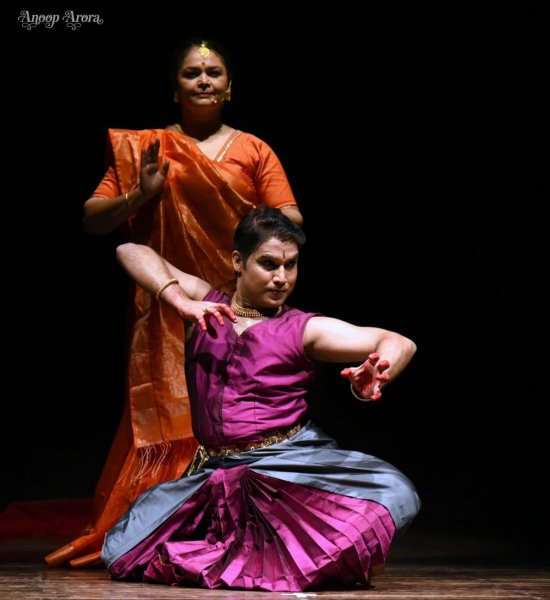
Designed by Maitreyi Pahadi, the Nritya Katha evening at the Habitat was predominantly a Kathak event, with one exception of an item of Mayurbhanj Chhau, the event centered round the Monsoon theme.
UMA SHARMA'S CUSTOMARY JANMASHTAMI
Veteran Uma Sharma's Janmashtami evening Sree Radha at the IIC, saw her students of Bhartiya Sangeet Sadan present Nritya Ras, her annual homage to the Krishna Janma Bhoomi -which constitutes her personal contribution to the world of dance - based on the research she undertook, in the Brindavan area and its vicinities.
TWIN SHADES OF FOLK AND CLASSICAL AT IIC
In support of its recent approach supporting both fold and classical, IIC Double Bill concert presented an evening clubbing Kajri music with Kathak.
Read more in the site
Please type your name along with your comment. Anonymous and derogatory comments are likely to be removed.